How a Smart Dispatch Platform Improves Freight Operations
For years, dispatching freight felt like a game of telephone crossed with a spreadsheet addiction. You had the load board, the drivers, the brokers, the customers, and somewhere in between, a dispatcher trying to keep it all straight. That model worked when margins were fat and time was cheap. But now, with rates tight and customers demanding real-time updates, a smarter approach is needed. That is where a smart dispatch platform comes in, and it is not just about replacing a whiteboard with a screen.
What Makes a Dispatch Platform Smart?
A smart dispatch platform does more than assign loads to drivers. It takes in data from multiple sources, applies rules and logic, and helps a dispatcher make better decisions faster. Think of it as a co-pilot that handles the routine so the human can focus on the exceptions. The best platforms learn from past decisions, adapt to changing conditions, and present options instead of flooding you with raw information.
In practice, this means a carrier using a smart dispatch platform can see which drivers are closest to a pickup, which ones have hours left in their day, and which ones have the right equipment for a given load. The platform might also factor in traffic, weather, and customer preferences. That level of detail used to take a veteran dispatcher hours to compile. Now it can be done in seconds, and the system can even suggest the best match.
For brokers, a smart dispatch platform offers similar advantages. It can aggregate loads from multiple boards, check carrier authority and safety scores, and even automate the booking process for repeat lanes. This frees up the broker to negotiate harder on the complex loads and build relationships, which is where the real value lies.
The Real Pain Points It Solves
Anyone who has spent time in a dispatch office knows the small frustrations that eat up the day. The driver who calls to ask where they are going next. The customer who emails to check on a delivery window. The broker who texts about a load that was already covered. Each interruption might take only a minute, but they add up. Over an eight-hour shift, those minutes become hours, and hours become missed opportunities.
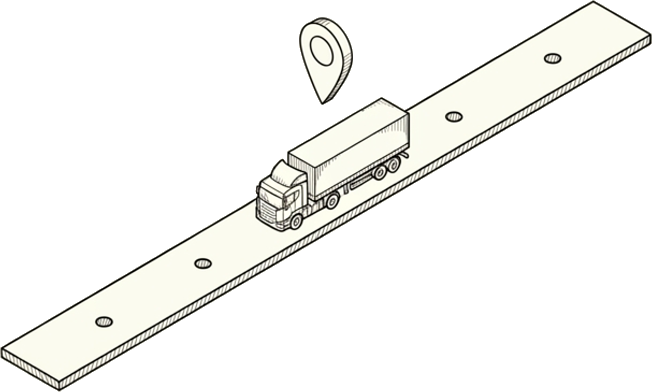
A smart dispatch platform tackles these interruptions head-on. Automated status updates go out to customers and drivers without anyone having to type a message. Load assignments appear on a driver's mobile app as soon as they are confirmed. The dispatcher can see at a glance who is on track and who is falling behind. It is not about replacing the human touch. It is about removing the noise so the human can focus on the work that matters.
Another common pain point is the handoff between shifts. The night dispatcher might have a mental map of every driver's situation, but that map rarely survives the morning coffee break. With a smart dispatch platform, all that context is captured in the system. The morning dispatcher can pick up exactly where the night shift left off, with no lost details and no redundant calls to drivers.
Why Carriers and Brokers Are Making the Switch
The decision to adopt a smart dispatch platform is not about chasing the latest tech trend. It is about staying competitive. Carriers that used to run with a single dispatcher and a paper logbook now find themselves bidding against companies that can quote a rate, assign a driver, and send a confirmation in under five minutes. Customers expect that speed. If you cannot deliver, someone else will.
For brokers, the advantage is similar. A broker who can match a load to a carrier in minutes, verify the carrier's credentials, and send a rate confirmation without picking up the phone is a broker who can handle more volume without adding headcount. That is a direct path to higher margins and a stronger business.
But speed is not the only factor. Accuracy matters just as much. A smart dispatch platform reduces errors that come from manual data entry. No more transposing phone numbers or misreading a faxed rate confirmation. The system keeps a clean record of every transaction, which helps with billing, compliance, and customer disputes down the line.
What to Look For in a Smart Dispatch Platform
Not every platform is built the same. Some are designed for large fleets with dedicated IT teams. Others are meant for small carriers or one-person brokerages. The key is to find a tool that matches the size and complexity of your operation. Here are a few things to consider:

- Ease of onboarding. If the platform takes weeks to set up and requires a consultant on site, it might not be the right fit for a lean team. Look for something that can be up and running in days, not months.
- Integration with existing tools. You probably already use an ELD provider, a load board, or an accounting system. A good platform should connect to those tools without forcing you to change everything at once.
- Mobile access for drivers. A platform that only works on a desktop misses half the picture. Drivers need to see their assignments, log hours, and send updates from the road.
- Customer communication features. Automated alerts and a customer portal can reduce the number of check-in calls you receive each day.
- Scalability. Your business may grow, and the platform should grow with it. Avoid systems that cap users or loads at a level that will limit your expansion.
One platform that has been getting attention in this space is LuneTMS. It is built specifically for freight carriers and brokers who want to automate dispatch workflows without losing control. The smart dispatch platform lunetms offers is designed to handle the routine decisions and surface the ones that need a human eye. It does not claim to replace dispatchers, but it does aim to make them more effective.
How Automation Changes the Dispatcher's Role
Some dispatchers worry that automation will make their jobs obsolete. In my experience, the opposite happens. When a smart dispatch platform takes over the repetitive tasks, the dispatcher can focus on the parts of the job that require judgment, negotiation, and relationship building. They can spend more time talking to drivers about their concerns, finding creative solutions for tricky loads, and building trust with customers.
That shift changes the dispatcher from a data entry clerk into a strategic asset for the company. It also makes the job more satisfying. Fewer people enter logistics because they love typing numbers into a spreadsheet. They do it because they enjoy solving problems and moving freight. A smart dispatch platform lets them do more of that.
Practical Advice for Getting Started
If you are considering a smart dispatch platform, start by mapping out your current workflow. Write down every step from the moment a load comes in to the moment it is delivered and billed. Identify which steps are repetitive and which ones require human judgment. That will give you a clear picture of what you want the platform to handle.
Next, talk to a few vendors. Ask for demos that use your actual data, not a canned presentation. See how the platform handles a load that has multiple stops or a driver who needs a reload. Pay attention to how the interface feels. If it is cluttered or confusing, your team will resist using it.
Finally, plan for a transition period. No platform works perfectly on day one. Give your team time to learn the system, and be ready to adjust your processes as you discover what works best. The goal is not to automate everything overnight. It is to gradually replace manual work with a smarter system that makes your operation more efficient over time.
For carriers and brokers who are ready to move beyond spreadsheets and sticky notes, a smart dispatch platform is a practical investment. The smart dispatch platform lunetms provides is one example of how this technology is being applied to real-world freight operations. It focuses on automating the routine so that dispatchers can concentrate on the exceptions, which is exactly where human expertise adds the most value.
In the end, the best technology is the kind that makes your job easier without taking away your control. A smart dispatch platform does not tell you what to do. It gives you better information so you can make your own decisions faster. That is the difference between a tool and a crutch. And in the freight business, a good tool is worth its weight in gold.
 LinkedIn
 Facebook
 Instagram
 YouTube